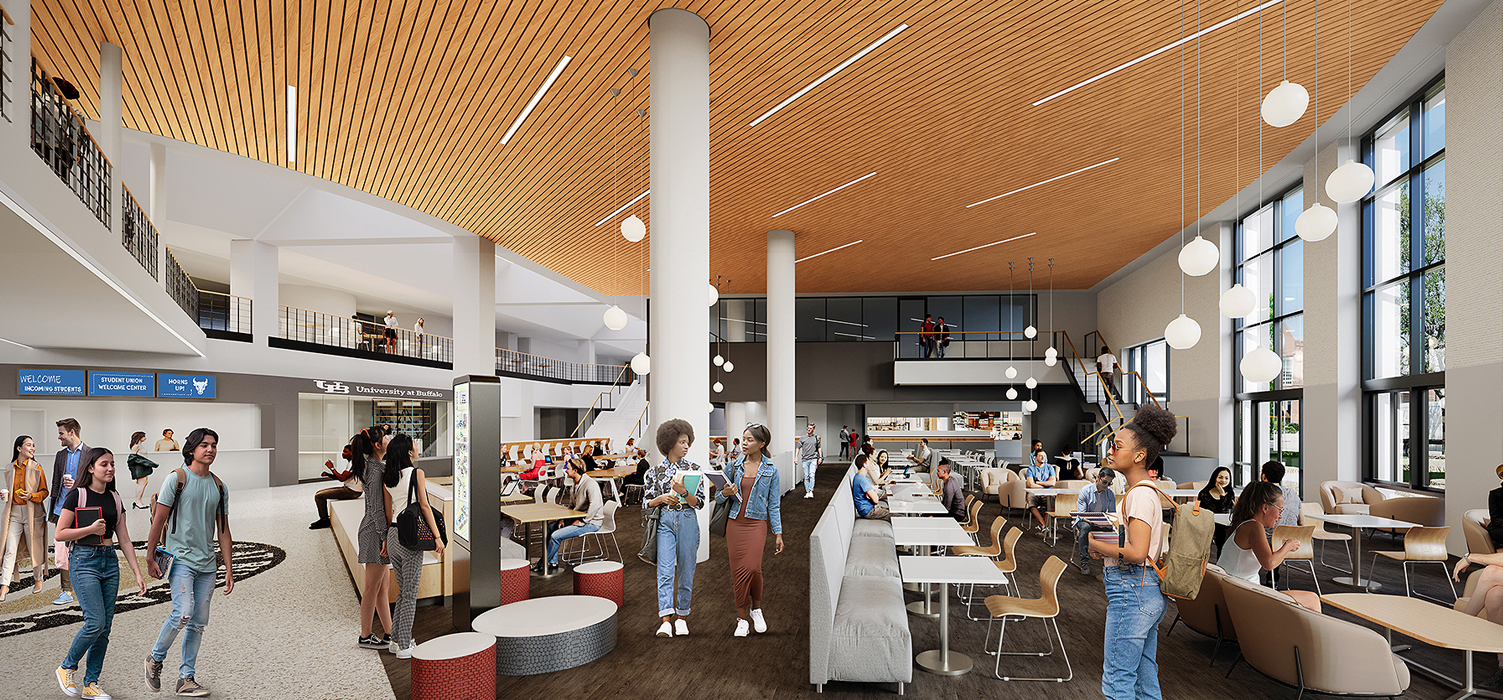
There is no placemaking without people. As we move together toward a post-covid era, what new factors will impact our sense of place? The tools of placemaking were important before, and now they are crucial to how we experience our environment.
We know that broad and inclusive participation is the truest path to meaningful design outcomes, and it is critically important to raise all voices, pursue universal access and challenge status quo thinking. We are living in a moment that requires the talents of everyone at the table. Co-creation with all types of user groups, including marginalized voices, and design professionals together, are the best strategy for intentional and effective design of the public realm. We’ll work together to design places that make us feel safe to return, to make connections to place and to each other.
This is how we build conversation and build bridges. When we create space for greater interaction, we are taking steps to improve the health and wellbeing of individuals – and our collective wellbeing. We are better together, and now, looking forward we can return to the places where we can engage, be inspired, high-five, and hug!
We are back! And we’ll see you there…